
Energy Efficiency Strategies to Reduce Electricity Consumption in Modern Buildings
Rising energy costs and the increasing demand for operational efficiency have encouraged businesses to find smarter ways to manage electricity consumption. In commercial buildings, industrial facilities, and modern offices, uncontrolled energy usage can significantly increase operational expenses.
As sustainability becomes a key business objective, energy efficiency has emerged as a critical strategy for reducing waste while maintaining productivity. By implementing the right technologies, organizations can optimize energy consumption without compromising comfort or operational performance.
What Is Energy Efficiency?
Energy efficiency refers to the practice of using energy more effectively to achieve the same or better results while consuming less power. The goal is not simply to reduce electricity usage but to maximize the value generated from every unit of energy consumed.
Many people confuse energy efficiency with energy conservation, but they are fundamentally different.
Energy Efficiency | Energy Conservation |
Optimizes energy use through better technology and systems | Reduces energy use by limiting activities |
Maintains productivity and performance | May impact comfort or productivity |
Focuses on operational improvement | Focuses on reducing consumption |
Implementing strong electrical energy efficiency practices can help businesses reduce operating costs, extend equipment lifespan, and support sustainability goals.
Factors Affecting Electrical Energy Efficiency
Several factors can influence the level of electrical energy efficiency in modern buildings.
1. Inefficient HVAC Systems
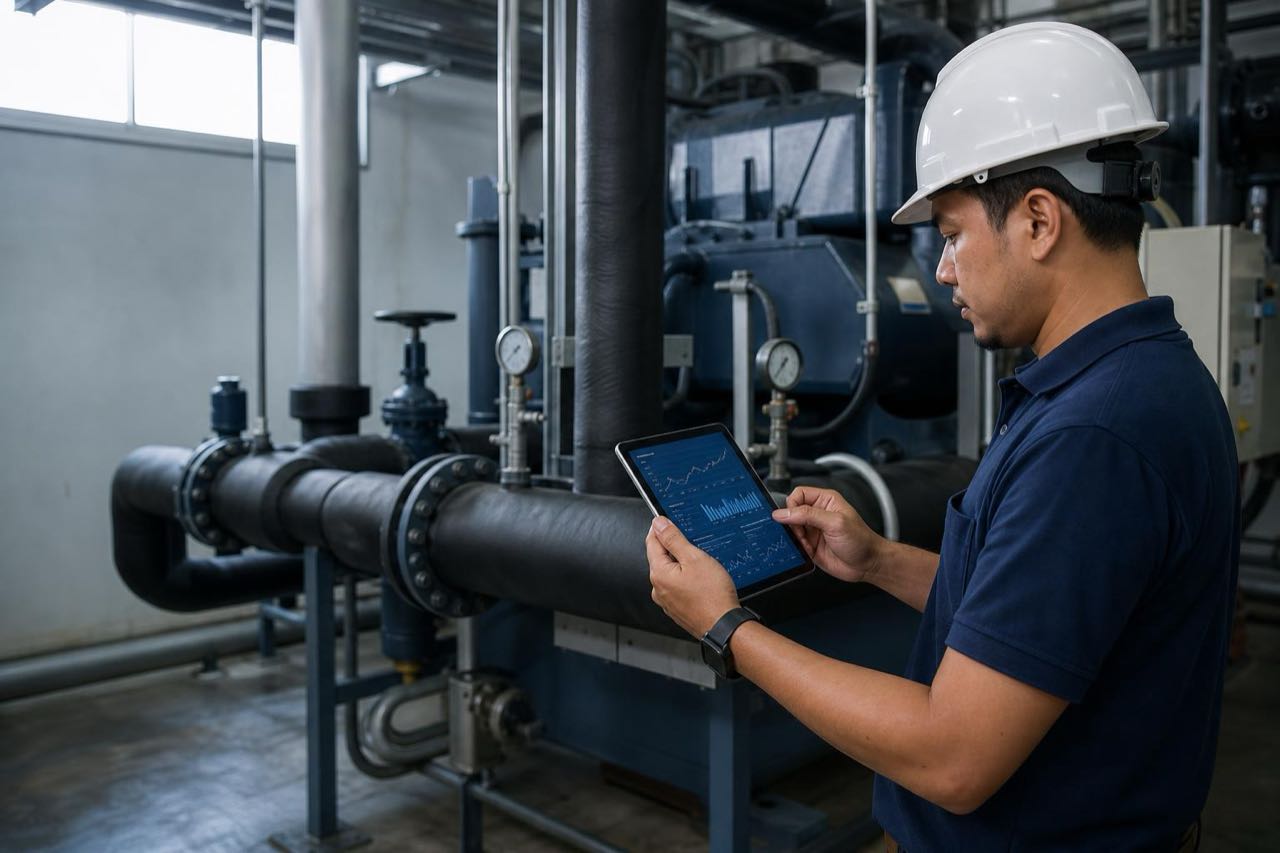
Heating, Ventilation, and Air Conditioning (HVAC) systems are among the largest energy consumers in commercial buildings. Poor maintenance or operating beyond actual demand often leads to unnecessary energy consumption.
2. High-Power Equipment Usage
Equipment with high power requirements can significantly increase energy demand, especially when operated continuously. Outdated or inefficient devices can further contribute to energy waste.
3. Lack of Energy Consumption Monitoring
Without clear visibility into energy usage patterns, organizations struggle to identify inefficiencies and opportunities for improvement.
4. Non-Data-Driven Building Operations
Manual operational decisions often result in inefficient energy usage. Data-driven building management enables facility operators to make more informed and efficient decisions.
Strategies to Improve Energy Usage Efficiency
Organizations can implement the following strategies to achieve optimal energy usage efficiency.
1. Real-Time Energy Monitoring
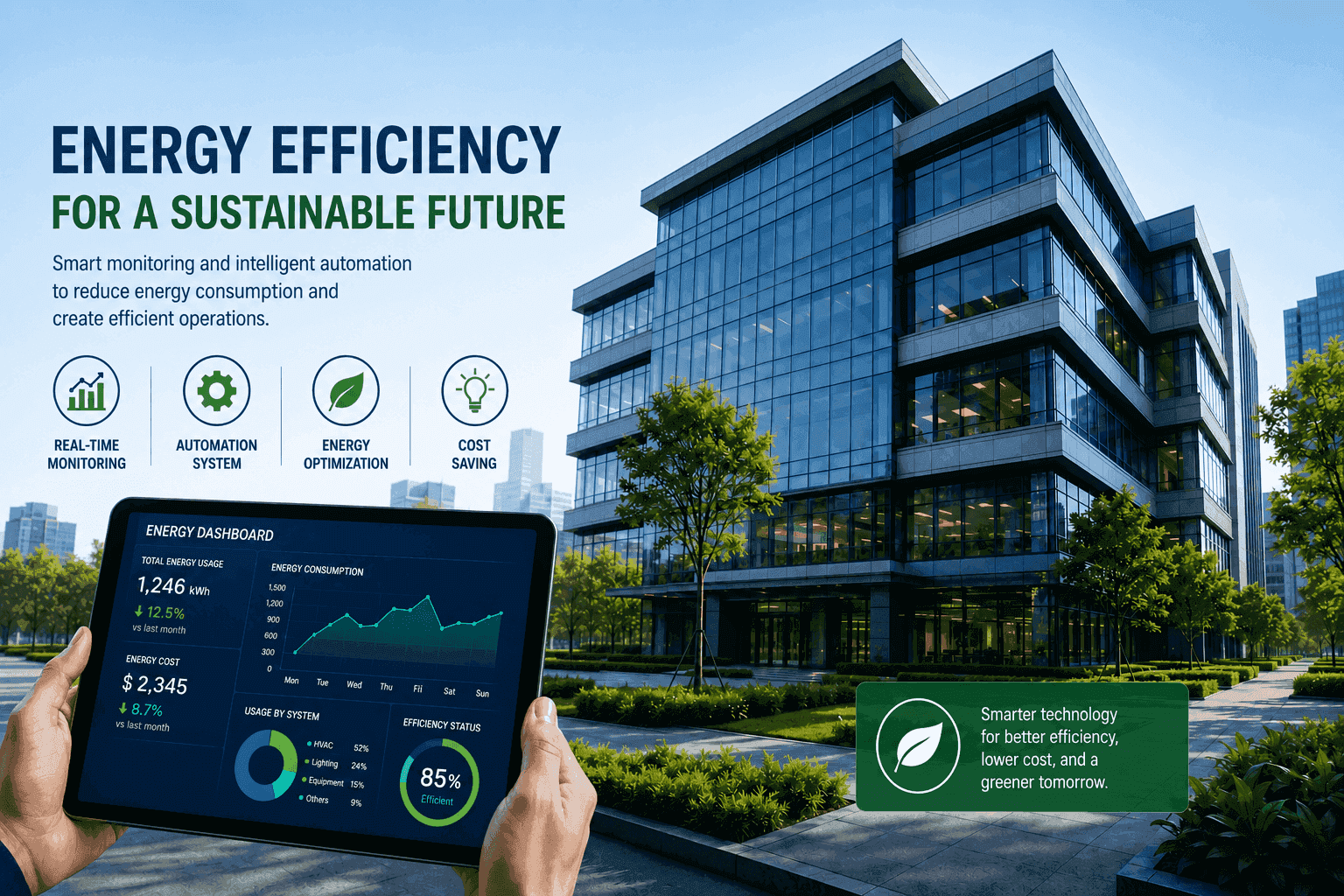
Real-time monitoring provides detailed visibility into electricity consumption across different areas and equipment. This enables businesses to quickly identify inefficiencies and take corrective actions.
2. HVAC and Ventilation Optimization
Regular maintenance, operational scheduling, and the use of temperature and occupancy sensors can significantly improve HVAC performance while reducing energy consumption.
3. Lighting and Equipment Automation
Automated lighting systems that utilize motion sensors and daylight sensors can minimize unnecessary electricity usage. Similar automation strategies can be applied to other building systems.
4. Building Management System (BMS) Implementation
A Building Management System (BMS) integrates various building operations into a centralized platform. Facility managers can monitor and control lighting, HVAC systems, security, and energy consumption more efficiently.
The Role of Technology in Energy Efficiency
Technology plays a crucial role in helping organizations improve energy efficiency across their operations.
1. IoT and Sensors for Energy Monitoring
Internet of Things (IoT) technology enables connected devices to collect and transmit real-time data. Sensors installed throughout a facility provide accurate insights into energy consumption patterns.
2. Data Analytics for Identifying Energy Waste
Data collected from monitoring systems can be analyzed to identify inefficiencies and hidden sources of energy waste. This enables organizations to implement targeted improvements.
3. Automated Control Based on Actual Demand
Automation technologies allow building systems to respond dynamically to real-time conditions. For example, HVAC systems can automatically adjust cooling capacity based on occupancy levels.
Energy Efficiency Solutions for Modern Buildings
Achieving optimal electrical energy efficiency requires a comprehensive approach that combines monitoring, automation, and operational optimization.
By combining energy monitoring, automation, and data analytics, organizations achieve full visibility into energy use and can make quicker, more informed operational decisions.
As a trusted provider of industrial and building technology solutions, Ferbos helps businesses improve energy usage efficiency through advanced monitoring systems, automation solutions, and data-driven operational management. These solutions enable companies to reduce operating costs while supporting long-term sustainability goals.
Conclusion
Energy efficiency is not only about reducing electricity consumption but also about creating smarter, more productive, and sustainable operations. Understanding the factors that affect electrical energy efficiency and implementing the right strategies can deliver long-term operational and financial benefits.
Technologies such as IoT, real-time monitoring, automation, and Building Management Systems are becoming essential tools for achieving optimal energy usage efficiency. With the right solutions from Ferbos, organizations can take meaningful steps toward more intelligent and cost-effective operations.
Maximize Building Performance with the Right Energy Efficiency Solution
Ferbos helps organizations identify energy waste, optimize building operations, and create more efficient environments through data-driven technologies.