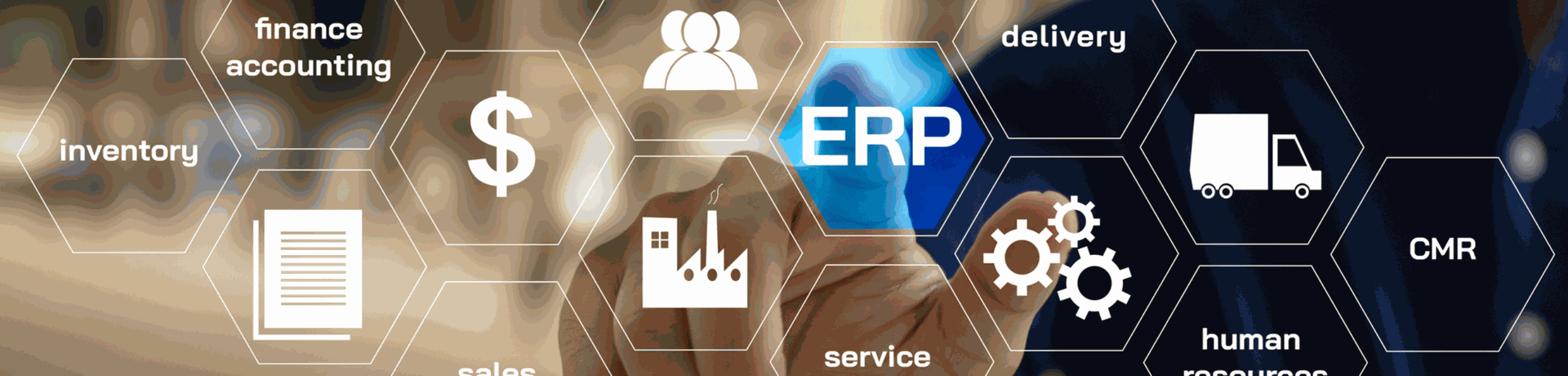

Sistem ERP, atau Enterprise Resource Planning, kini telah menjadi bagian penting bagi perusahaan, terutama bagi mereka yang ingin memiliki proses bisnis yang terintegrasi dan lebih efisien. Seiring perkembangan teknologi, kebutuhan akan sistem ERP pun terus meningkat. Bahkan, data menunjukkan bahwa 50% perusahaan saat ini sedang mengadopsi, memperbarui, atau berencana mengoptimalkan penggunaan ERP. Ingin tahu lebih banyak tentang ERP? Simak ulasan berikut!
Apa yang Dimaksud dengan Sistem ERP?
Sistem ERP adalah sistem perangkat lunak terintegrasi yang mampu mengelola dan mengumpulkan data dari berbagai departemen atau divisi dalam perusahaan. Misalnya, ERP dapat mengintegrasikan data dari departemen akuntansi, penjualan, manufaktur, rantai pasok, pemasaran, hingga Sumber Daya Manusia (SDM). Dengan menyatukan seluruh data tersebut dalam satu basis data besar, pengelolaan perusahaan menjadi lebih efisien, strategi dapat dianalisis secara efektif, dan biaya operasional pun dapat ditekan. Penerapan ERP sendiri mulai berkembang pada tahun 1960-an dan mulai digunakan secara luas sekitar tahun 1990-an. Kehadiran sistem ERP bertujuan untuk mengotomatiskan operasional bisnis sehari-hari.
Jenis-jenis ERP Berdasarkan Implementasinya
Sistem ERP apa saja? Berdasarkan implementasi atau penggunaannya, ERP terbagi jadi beberapa jenis sistem:
1. ERP On-Premise
Jenis ini adalah perangkat lunak yang instalasi dan pengoperasiannya dilakukan di lingkungan perusahaan sendiri. Sistem ini memungkinkan perusahaan memiliki kendali penuh atas seluruh data dan infrastrukturnya. Jenis ini umum digunakan oleh perusahaan skala kecil hingga menengah, terutama yang ingin menyimpan data di lingkungan internal. Namun, kekurangannya adalah biaya awal yang lebih tinggi untuk instalasi serta pemeliharaan perangkat lunak dan perangkat keras.
2. ERP Open Source
Contoh lainnya adalah ERP open source, yang memungkinkan perusahaan melihat, memodifikasi, dan mengembangkan kode sumber ERP sesuai kebutuhan. Jenis ini menawarkan fleksibilitas kustomisasi sehingga perusahaan dapat menyesuaikan sistem ERP dengan kebutuhan operasionalnya. Namun, perusahaan Anda harus memiliki tim yang andal untuk mengelola dan menyesuaikan kode sumber tersebut.
3. ERP Berbasis Cloud
Selanjutnya, ada sistem ERP berbasis cloud, yang memungkinkan Anda mengakses layanan hosting di cloud secara real-time. Sistem ini sangat populer, terutama di kalangan perusahaan besar. Mengapa? Karena skalabilitasnya tinggi dan tidak memerlukan infrastruktur server fisik seperti ERP on-premise. Keunggulannya adalah biaya awal yang terjangkau, tetapi Anda perlu berlangganan secara berkelanjutan.
4. ERP Hybrid
Terakhir, ada sistem ERP Hybrid. Sesuai namanya, jenis ini menggabungkan sistem on-premise dan cloud. Apa manfaatnya? Anda mendapatkan keunggulan dari kedua sistem tersebut. Data akan disimpan di dua tempat: di server perusahaan (on-premise) dan sebagian di cloud. Untuk siapa jenis ini cocok? Jenis ini ideal bagi perusahaan yang ingin beralih ke sistem cloud secara bertahap.
Manfaat Sistem ERP
Dari banyaknya jenis sistem ERP, sebenarnya apa yang jadi manfaatnya? Apakah perusahaan akan langsung untung besar ketika menerapkannya? Cek sini:
1. Kemudahan Koordinasi
Manfaat pertama adalah kemudahan koordinasi antardepartemen. Dengan ERP, seluruh proses koordinasi dapat dipantau secara real-time. Komunikasi antardepartemen menjadi lebih cepat tanpa perlu menghubungi atau mendatangi divisi terkait terlebih dahulu.
2. Kemudahan Analisis Data
ERP tidak hanya berfungsi sebagai tempat penyimpanan data berskala besar. ERP juga membantu perusahaan mengumpulkan, menganalisis, dan melaporkan data secara akurat. Dengan begitu, perusahaan dapat mengambil keputusan secara real-time dan menyesuaikan proses sesuai kebutuhan.
3. Solusi Praktis untuk Penjadwalan dan Pengelolaan
Adanya sistem ERP ini juga akan memudahkan Anda dalam mengatur jadwal. Sebut saja untuk menjadwalkan shift karyawan, pemeliharaan perusahaan, pengiriman inventaris, sampai dengan kemudahan untuk mengorganisir operasional.
4. Kolaborasi Lintas Departemen
Di perusahaan besar, departemen sering kali bekerja secara terpisah sehingga koordinasi menjadi sulit. ERP mengatasi hal ini dengan menyediakan sistem terintegrasi yang memungkinkan semua tim berkolaborasi dengan lebih baik. Misalnya, saat tim penjualan menerima pesanan besar, mereka dapat langsung memeriksa status stok di gudang. Jika stok menipis, mereka dapat berkoordinasi dengan tim produksi untuk meningkatkan produksi, sementara tim keuangan menangani pencatatan pembayaran dan faktur. Dengan sistem yang menyatukan seluruh informasi dalam satu platform, perusahaan menjadi lebih efisien.
5. Penghematan Biaya
ERP mungkin memang butuh biaya investasi awal. Tapi, jika menghitungnya dalam jangka panjang justru akan menghemat biaya operasional. Mengapa? ERP akan membantu Anda menghemat pengeluaran karena:
- Mengurangi kebutuhan kertas & dokumen manual: Semua data tersimpan secara digital. Jadi, tidak perlu lagi banyak cetakan laporan.
- Meminimalkan kesalahan input data: Kesalahan administrasi bisa menyebabkan kerugian besar. Dengan sistem otomatis, maka kesalahan manusia (human error) bisa dikurangi.
- Meningkatkan efisiensi tenaga kerja: Dengan sistem otomatisasi, perusahaan tidak perlu lagi merekrut banyak orang untuk menangani pekerjaan yang bisa ERP lakukan.
- Mengurangi pemborosan stok: Sistem ERP memudahkan manajemen inventaris sehingga tidak ada lagi stok berlebih atau kekurangan barang yang bisa merugikan perusahaan.
6. Keamanan Data yang Lebih Baik
Saat ini, keamanan data merupakan hal yang sangat penting. Jika perusahaan Anda masih menggunakan sistem manual atau perangkat lunak terpisah untuk setiap departemen, risiko kebocoran atau kehilangan data menjadi lebih tinggi. Mengapa ERP lebih aman? Karena ERP memiliki fitur keamanan canggih seperti enkripsi data. Enkripsi memastikan informasi perusahaan terlindungi dari akses yang tidak sah. Selain itu, akses berbasis peran memungkinkan karyawan hanya mengakses data yang relevan dengan tugasnya. Pencadangan otomatis juga membantu saat terjadi gangguan, sehingga data dapat dipulihkan dengan cepat tanpa risiko kehilangan informasi penting. Dengan berbagai fitur ini, penerapan ERP di perusahaan Anda tentu sangat layak.
Optimalkan Bisnis Anda dengan ERP yang Fleksibel dan Efisien
Jika Anda mempertimbangkan untuk menerapkan sistem Enterprise Resource Planning (ERP) bagi bisnis Anda, jangan memilih platform secara sembarangan. Tidak semua sistem ERP cocok untuk setiap bisnis. Sebagian terlalu mahal, terlalu rumit, atau kurang fleksibel untuk disesuaikan dengan kebutuhan spesifik perusahaan. Karena itu, memilih ERP yang modular dan dapat dikustomisasi merupakan langkah strategis untuk memastikan efisiensi tanpa membebani anggaran. Solusinya? Gunakan Ferbos ERP. Berbasis Odoo, sistem ini menawarkan fleksibilitas tinggi dengan beragam modul seperti manajemen penjualan, proyek, keuangan, dan SDM. Selain itu, biayanya lebih terjangkau dibandingkan banyak sistem ERP lainnya, sehingga cocok bagi usaha kecil hingga perusahaan besar yang ingin mengoptimalkan operasional tanpa melampaui anggaran. Dengan dukungan penyiapan server, pengembangan kustom, serta pelatihan & pemeliharaan, Ferbos ERP membantu bisnis tumbuh dengan lebih efisien!