
Dalam lanskap teknologi modern, Internet of Things (IoT) merupakan pilar penghubung utama antara perangkat fisik dan sistem digital.
IoT akan memungkinkan proses pertukaran data terjadi secara real-time, otomatisasi proses, dan mampu meningkatkan efisiensi dalam berbagai sektor.
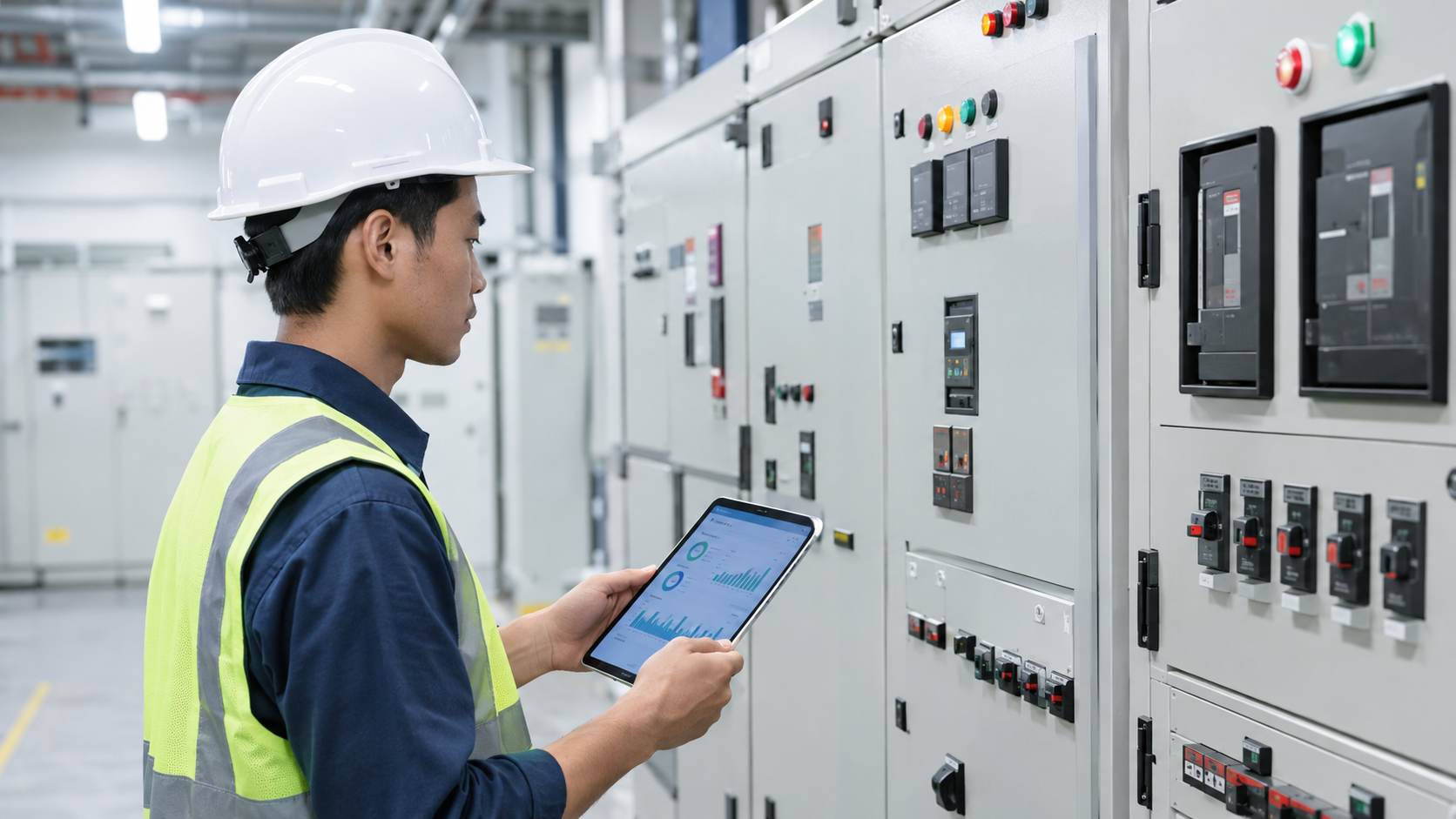
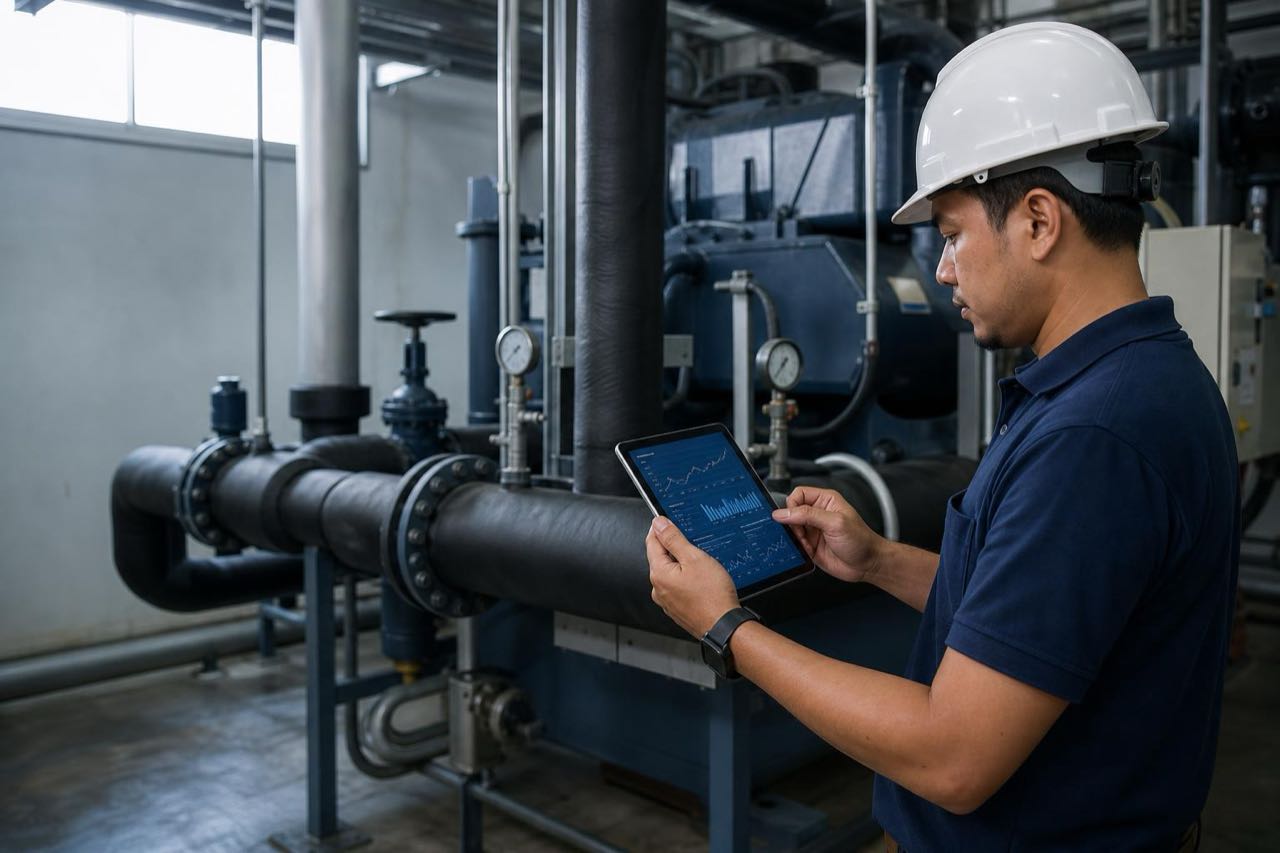
Dalam industri energi misalnya, IoT memungkinkan pemantauan konsumsi listrik dengan detail, optimalisasi penggunaan daya, dan bahkan bisa mengotomatisasi kontrol perangkat dari AC, pompa, sampai dengan pemanas air.
Ingin mengenal IoT lebih jauh? Simak ulasan berikut.
Apa Itu Internet of Things (IoT)?
Internet of Things (IoT) adalah konsep yang menggambarkan jaringan perangkat fisik yang saling terhubung dan mampu bertukar data satu sama lain melalui internet.
Perangkat ini beragam, mulai dari sensor sederhana hingga sistem elektronik yang kompleks. Dengan saling berkomunikasi, perangkat-perangkat tersebut membantu meningkatkan efisiensi dan pengalaman pengguna.
IoT dalam Pemantauan Energi dan Otomatisasi
Dalam konteks manajemen energi, IoT memungkinkan:
- Pengumpulan data secara real-time dari sumber daya listrik
- Pemantauan berkelanjutan dan peringatan dini
- Pengiriman data ke server untuk analisis lanjutan dan optimalisasi energi
Sistem IoT juga dapat mengintegrasikan:
- Sensor lingkungan
- Sensor kehadiran manusia
- Sensor kualitas udara dalam ruangan (Indoor Air Quality/IAQ)
Kombinasi ini membantu memahami perilaku penghuni, sehingga sistem dapat menyesuaikan pengaturan secara otomatis demi kenyamanan dan efisiensi energi yang optimal.
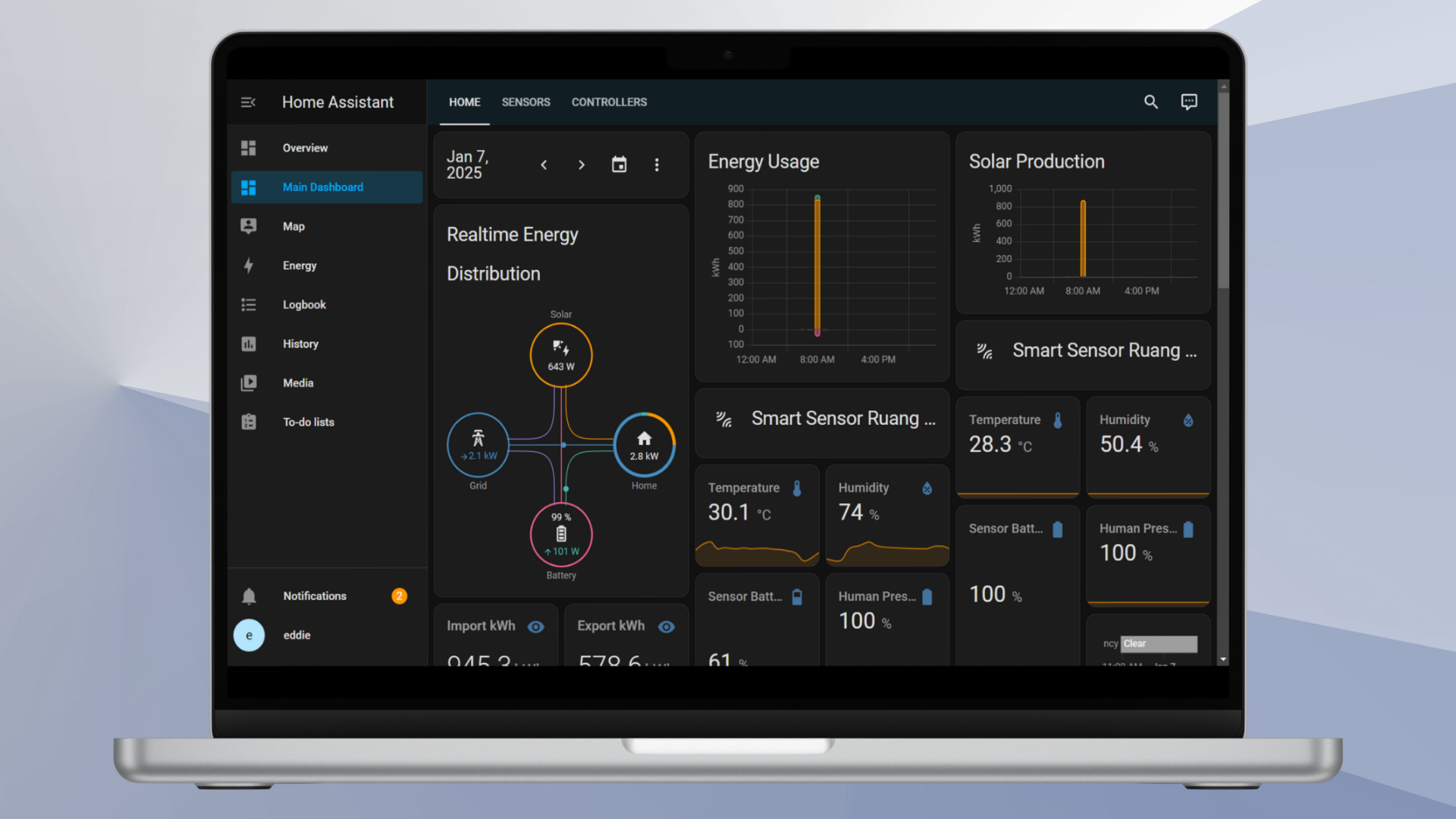
Dengan IoT, konsumsi energi dapat dipantau melalui dasbor berbasis web atau aplikasi seluler, lengkap dengan notifikasi real-time. Perangkat seperti AC, pompa, dan pemanas air juga dapat dikendalikan dari jarak jauh menggunakan remote IR dan smart plug, sehingga efisiensi dan kenyamanan meningkat secara signifikan.
Cara Kerja IoT
IoT bekerja dengan menghubungkan perangkat fisik ke internet, sehingga perangkat tersebut dapat mengumpulkan, mengirimkan, dan mengolah data tanpa campur tangan manusia secara langsung.
Tahapan Utama Sistem IoT
-
Pengumpulan Data
Sensor menangkap data lingkungan seperti suhu, kelembapan, gerakan, atau penggunaan daya listrik. -
Pengiriman Data
Data yang terkumpul dikirim melalui protokol komunikasi seperti Wi-Fi, Bluetooth, atau Zigbee ke sistem pusat. -
Pengolahan dan Analisis Data
Sistem pusat menganalisis data untuk mengidentifikasi pola, anomali, atau wawasan yang dapat ditindaklanjuti. -
Antarmuka Pengguna dan Kontrol
Data yang telah diolah ditampilkan melalui aplikasi atau dasbor, sehingga pemantauan dan kontrol dapat dilakukan secara real-time. -
Tindakan Otomatis
Berdasarkan aturan yang telah ditetapkan, sistem dapat menjalankan tindakan secara otomatis.
Contoh: Jika suhu ruangan melampaui batas yang ditentukan, AC akan menyala secara otomatis.
Melalui siklus yang berkelanjutan ini, IoT menciptakan ekosistem cerdas tempat perangkat saling berkomunikasi dan beroperasi secara mandiri.
Manfaat IoT
IoT memberikan keuntungan yang signifikan di berbagai industri maupun kehidupan sehari-hari.
1. Peningkatan Efisiensi dan Produktivitas
Pertukaran data secara otomatis mengurangi proses manual dan meningkatkan efisiensi operasional, terutama di lingkungan bisnis.
2. Otomatisasi dan Kontrol Jarak Jauh
Pengguna dapat mengendalikan perangkat dari jarak jauh melalui smartphone, sehingga kenyamanan meningkat dan kebutuhan sehari-hari dapat direspons lebih cepat.
3. Peningkatan Keamanan
IoT memperkuat keamanan melalui:
- Deteksi dini ancaman
- Pemantauan otomatis
- Peringatan real-time
Sensor yang terintegrasi dapat mendeteksi aktivitas yang tidak biasa dan memicu respons secara langsung.
4. Hemat Energi
Dengan memantau penggunaan daya secara real-time, sistem IoT dapat mengoptimalkan konsumsi energi, mengurangi pemborosan, dan mendukung praktik yang ramah lingkungan.
5. Manajemen Operasional yang Efisien
Dalam operasional bisnis, IoT mendukung:
- Otomatisasi inventaris
- Pelacakan pengiriman
- Manajemen bahan bakar dan aset
Hasilnya, alur kerja menjadi lebih lancar dan kesalahan operasional berkurang.
Contoh Penerapan IoT
Solusi IoT kini telah banyak diterapkan di berbagai industri. Beberapa contoh yang umum antara lain:
1. IoT untuk Sistem Monitoring Energi
Sistem pemantauan energi real-time membantu mengidentifikasi penggunaan listrik yang berlebihan dan mengoptimalkan konsumsi. Sistem ini dapat diintegrasikan dengan:
- Energy Meter Pengukuran Langsung
- Energy Meter Pengukuran CT
2. Sensor Lingkungan
Sensor lingkungan memantau:
- Suhu
- Kelembapan
- Kualitas Udara dalam Ruangan (IAQ)
Berdasarkan data tersebut, sistem HVAC dapat menyesuaikan diri secara otomatis demi kenyamanan yang optimal.
3. Human Presence Sensor
Sensor Passive Infrared (PIR) mendeteksi keberadaan penghuni dan mengaktifkan atau menonaktifkan perangkat sesuai kondisi.
Hal ini membantu menghemat energi dengan mematikan lampu atau AC saat ruangan tidak digunakan.
Ferbos Kreasi Digital: Solusi IoT untuk Efisiensi Energi dan Otomatisasi
Penerapan IoT memerlukan perencanaan yang matang. Instalasi atau desain sistem yang kurang tepat dapat menyebabkan konektivitas tidak stabil dan pemborosan energi yang makin besar.
Ferbos Kreasi Digital menyediakan solusi IoT menyeluruh untuk pemantauan dan otomatisasi, guna memastikan efisiensi dan penghematan di berbagai sektor. Seluruh perangkat terintegrasi dalam dasbor interaktif dengan akses dan notifikasi real-time.
Teknologi Canggih yang Digunakan Ferbos
Edge Computing
Edge computing mengolah data lebih dekat dengan sumber perangkat, sehingga mengurangi ketergantungan pada cloud dan memungkinkan respons sistem yang lebih cepat. Hal ini sangat penting untuk aplikasi real-time seperti sistem keamanan dan pemantauan kesehatan.
Kecerdasan Buatan (AI)
AI menyempurnakan sistem IoT dengan memungkinkan:
- Analitik prediktif
- Pengenalan pola penggunaan
- Pemeliharaan prediktif
- Optimalisasi energi otomatis
Dengan memadukan IoT, AI, dan edge computing, Ferbos memelopori solusi yang lebih cerdas, adaptif, dan hemat energi bagi bisnis maupun rumah tangga.