
Water is the primary lifeblood of our planet, serving as a fundamental necessity for human survival, agricultural productivity, and industrial growth. However, as global populations rise and climate patterns shift, we face a dual crisis: dwindling supplies and deteriorating quality. To address this, a robust framework that integrates water management, water quality management, and clean water management is no longer an option; it is a necessity for a sustainable future.
Introduction: The Global Water Challenge
Water is a natural resource that serves as the backbone of the global economy. Its utility ranges from sustaining the smallest households to meeting the needs of massive industrial machinery; its presence is vital. However, we are currently navigating a significant "clean water crisis."
The challenge is two-fold. First is the issue of scarcity, where demand exceeds the natural replenishment of resources. Second is degradation, where pollution renders existing water unusable. Overcoming this requires a strategic approach that balances the quantity of water we use with the maintenance of its purity.
What is Water Management?
At its core, water management focuses on the strategic planning, development, and distribution of water resources.
- Definition: The practice of managing water resources under established policies and regulations to ensure long-term sustainability.
- Objective: The main goal is to maintain quantity and maximize efficiency. This involves preventing waste, optimizing irrigation, and ensuring reservoirs are managed to meet seasonal demands without depleting the ecosystem.
Effective water management ensures every drop of water is accounted for, reducing the "water leakage" that often plagues aging municipal systems and industrial complexes.
The Essence of Water Quality Management
While managing water volume is critical, the utility of that water depends entirely on its purity. This is where water quality management becomes a priority.
This discipline focuses on the physical, chemical, and biological characteristics of water. To ensure water is safe for its intended use whether for drinking, swimming, or industrial processing strict standards must be met.
- Focus on Quality: Constant testing for pH levels, dissolved oxygen, heavy metals, and bacterial contamination.
- Monitoring & Control: Aligning water outputs with national and international health standards through continuous surveillance and immediate intervention.
- Impact: Poor water quality management leads to waterborne diseases, the destruction of aquatic life, and corrosion in expensive industrial infrastructure, resulting in major economic losses.
Ensuring Clean Water Management
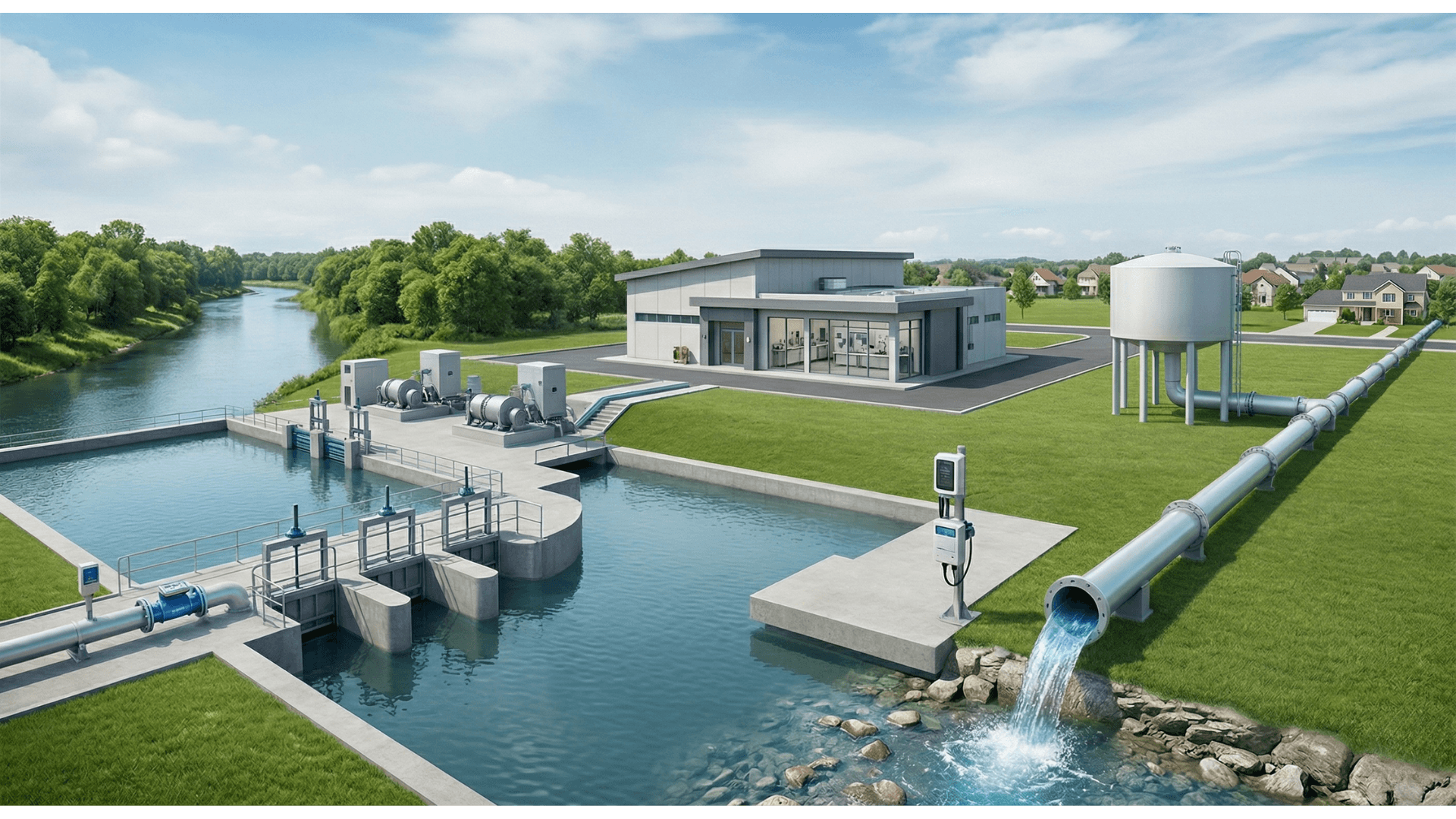
Clean water management represents the entire lifecycle of water intended for human consumption and sanitation. It is a complex journey that requires precision at every stage:
- Source Protection: Guarding springs, rivers, and groundwater from contamination.
- Water Treatment: Utilizing filtration, chlorination, or UV treatment to remove impurities.
- Distribution: Pumping clean water through networks to households and businesses.
- Monitoring: Ensuring water remains clean until it reaches the final tap.
Overcoming Challenges with Technology
The path to consistent clean water is often hindered by aging infrastructure, leaks, and sudden pollution spikes. This is where modern technology changes the landscape.
Innovative solutions, such as monitoring systems from Ferbos, provide real-time data regarding water flow and quality. By integrating these smart systems, operators can detect leaks instantly, monitor chemical balances remotely, and gain full control over water usage. This level of efficiency is the "gold standard" for modern clean water management, enabling proactive rather than reactive maintenance.
Conclusion: An Integrated Future
The road to water security requires a holistic view. We cannot achieve true clean water management without a disciplined approach to water quality management and sustainable water management strategies.
By integrating the management of both quantity and quality, we ensure our water systems are resilient enough to support future generations. Investing in smart technology and proactive monitoring is the key to transforming water from a vulnerable resource into a guaranteed asset for everyone.