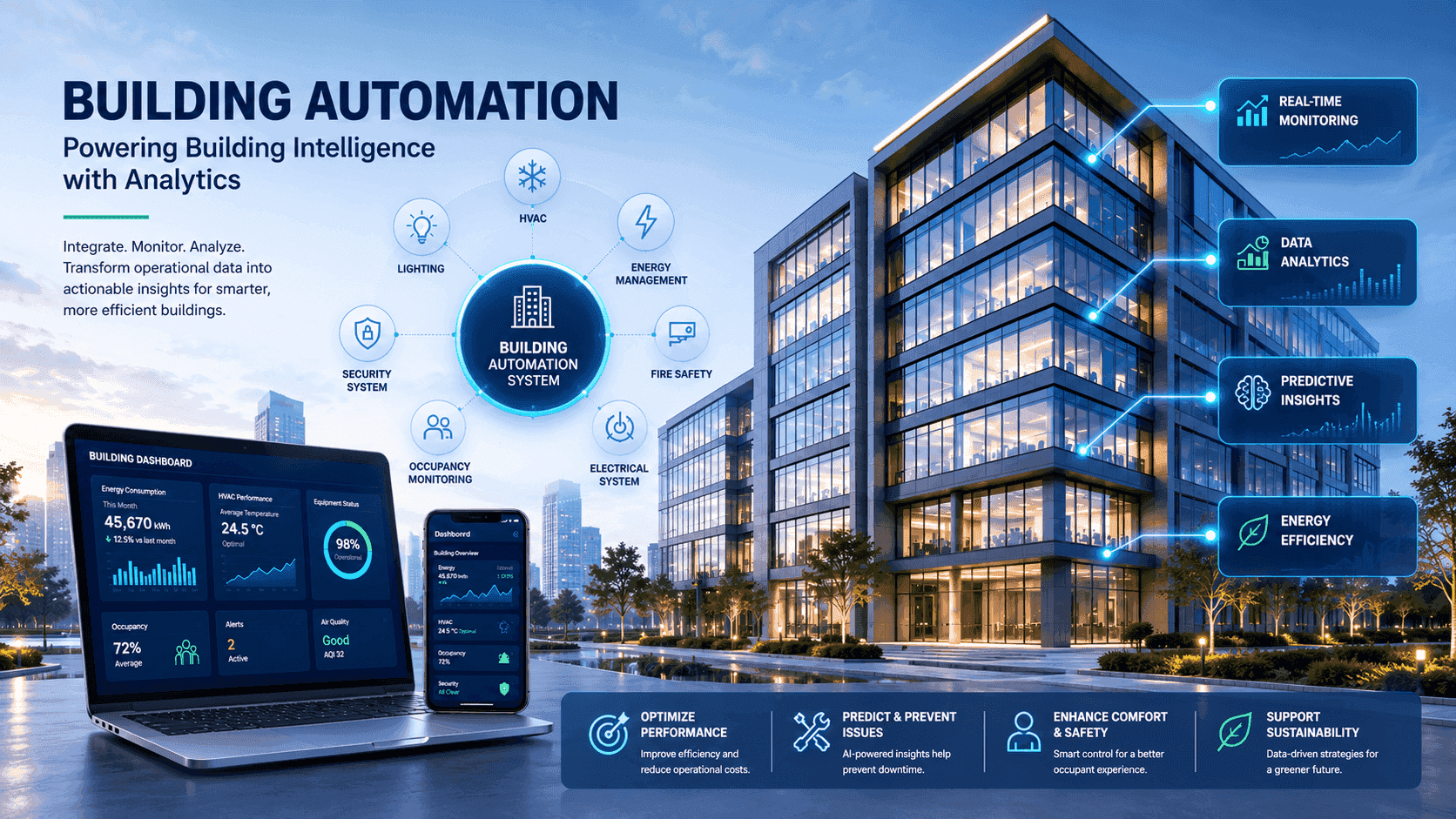

Preparing Your Building for ESG & Sustainability Reporting Starts with Energy Data
Environmental, Social, and Governance (ESG) reporting is no longer a future requirement—it is a present-day expectation. Building owners, facility managers, and even end-users are increasingly asked to demonstrate how buildings operate responsibly, efficiently, and sustainably. At the center of this expectation lies one critical element: energy data.
Without reliable energy data, sustainability claims become assumptions rather than measurable facts. This is why energy data for ESG reporting forms the foundation of credible sustainability and carbon reporting. This article explains how energy data supports ESG goals, why ESG energy monitoring is essential for buildings, and how digital systems enable accurate carbon reporting energy data in a structured and scalable way.
Understanding ESG and Sustainability Reporting in Buildings
What ESG Means for Buildings and Their Users
ESG is a framework used to evaluate an organization’s impact on the environment, society, and governance practices. In the built environment, the environmental pillar is particularly dominant, as buildings are among the largest consumers of energy and contributors to carbon emissions.
For consumers and building occupants, ESG-aligned buildings are associated with:
- Better indoor comfort and health
- Lower operational costs
- Long-term asset value
- Alignment with sustainability values
As expectations rise, sustainability reporting for buildings must be backed by real, verifiable data—especially energy data.
Why Energy Is the Backbone of Sustainability Reporting
Energy consumption directly influences a building’s carbon footprint. Electricity usage, HVAC systems, lighting, and equipment loads all translate into measurable emissions. Without proper tracking, it is impossible to:
- Calculate emissions accurately
- Monitor efficiency improvements
- Demonstrate compliance with ESG frameworks
- Build trust with stakeholders
This is why ESG reporting starts with structured and continuous energy data collection.
Why Energy Data Is Critical for ESG Reporting
Energy Data as the Source of Truth
ESG reports require consistency, transparency, and auditability. Energy data provides a factual baseline that organizations can use to track performance over time. Unlike estimates or utility bills alone, granular energy data reveals:
- When energy is consumed
- Where inefficiencies occur
- How operational changes impact sustainability
This makes energy data for ESG reporting the most reliable source of environmental performance measurement.
From Energy Consumption to Carbon Reporting
Carbon reporting relies heavily on energy consumption data. Electricity usage is converted into emissions using standardized emission factors. Without accurate energy data, carbon calculations become unreliable.
Well-structured carbon reporting energy data enables organizations to:
- Quantify Scope 2 emissions
- Support sustainability disclosures
- Prepare for future regulatory requirements
The Role of ESG Energy Monitoring Systems
What Is ESG Energy Monitoring?
ESG energy monitoring refers to the continuous collection, processing, and analysis of energy data to support sustainability objectives. Unlike traditional meters, modern monitoring systems capture data at regular intervals and present it in a usable, actionable format.
These systems typically include:
- Smart energy meters
- IoT sensors (temperature, humidity, occupancy)
- Centralized dashboards
- Data storage and analytics layers
Benefits for Building Owners and End-Users
Implementing ESG energy monitoring delivers value beyond compliance:
- Improved energy efficiency
- Early detection of energy waste
- Better operational decision-making
- Increased transparency for occupants
For end-users, this translates into lower costs, improved comfort, and confidence that sustainability claims are data-driven.
Sustainability Reporting for Buildings Requires Structured Data
Why Manual Reporting Is No Longer Sufficient
Many buildings still rely on monthly utility bills or spreadsheets for sustainability reporting. While this may work at a small scale, it quickly becomes ineffective as reporting requirements grow more complex.
Manual methods often result in:
- Data gaps and inconsistencies
- Limited traceability
- High reporting effort
- Increased risk of errors
Digital energy monitoring systems solve these challenges by creating a continuous and reliable data stream.
Aligning Energy Data with Digital Management Systems
Modern buildings increasingly integrate energy data with digital management platforms, including ERP systems such as Odoo. This integration allows energy data to be:
- Structured by location, asset, or department
- Linked to operational and financial data
- Used for internal reporting and sustainability dashboards
Such alignment makes sustainability reporting for buildings more efficient and scalable.
Preparing Your Building for ESG Reporting: A Practical Checklist
To prepare a building for ESG and sustainability reporting, consider the following steps:
1. Establish an Energy Data Baseline
Identify current energy consumption patterns and define baseline metrics.
2. Deploy Energy Monitoring and Sensors
Install energy meters and complementary IoT sensors to capture contextual data.
3. Centralize Data Collection
Ensure all energy data is stored in a centralized system for consistency.
4. Enable Carbon Calculations
Use energy data to generate carbon emissions metrics transparently.
5. Integrate with Reporting Systems
Align energy data with digital platforms used for sustainability reporting.
6. Review and Improve Continuously
Use insights from data to drive energy efficiency improvements.
Real-World Insight: Why Data-Driven ESG Matters
Organizations that adopt data-driven ESG practices tend to move faster from awareness to action. Instead of asking “How sustainable are we?”, they can ask “What should we improve next?”—and answer it using data.
Buildings with structured energy monitoring are better prepared for:
- ESG audits
- Sustainability certifications
- Tenant and stakeholder inquiries
- Long-term operational optimization
Frequently Asked Questions (FAQ)
What is energy data for ESG reporting?
Energy data for ESG reporting refers to structured energy consumption information used to support environmental disclosures, carbon calculations, and sustainability performance tracking.
Why is ESG energy monitoring important for buildings?
ESG energy monitoring ensures energy usage is measured continuously and accurately, enabling credible sustainability and carbon reporting.
How does energy data support carbon reporting?
Energy consumption data is converted into emissions metrics, forming the basis of carbon reporting energy data, particularly for Scope 2 emissions.
Is sustainability reporting mandatory for buildings?
Requirements vary by region and organization type, but sustainability reporting is increasingly expected by regulators, investors, and occupants.
Can small or mid-sized buildings benefit from energy monitoring?
Yes. Even smaller buildings benefit from better visibility, reduced energy waste, and improved reporting readiness.
How often should energy data be collected for ESG reporting?
Ideally, energy data should be collected continuously or at regular intervals to ensure accuracy and trend analysis.