
Introduction
In the modern era, managing large-scale properties has become increasingly complex. As energy costs climb and tenant expectations rise, efficient building management is no longer a luxury it is a necessity. Without an integrated system, facility managers often struggle with fragmented data, high operational waste, and a lack of real-time visibility. These challenges often lead to "reactive" maintenance where issues are only addressed after a breakdown occurs resulting in higher repair costs and lower tenant satisfaction.
What is Building Management?

At its most fundamental level, building management is the process of overseeing a property's operations to ensure everything functions smoothly, safely, efficiently, and comfortably for everyone inside.
Think of it as the bridge between a physical structure and the people who inhabit it. The primary goal is to synchronize every moving part of a property to maintain its long-term value while providing a high-quality environment for tenants.
The Scope of Building Management
Building management covers several critical areas:
- Facility Management: Maintaining the physical structure and machinery in peak condition.
- Energy Management: Reducing the building’s carbon footprint and utility expenses.
- Security & Safety: Managing fire suppression systems, surveillance, and access control.
- Occupant Wellbeing: Ensuring air quality and lighting are optimized for health and productivity.
Common daily activities include:
- Energy Monitoring: Tracking electricity and water consumption to detect anomalies.
- Maintenance Scheduling: Automating checks for elevators, HVAC units, and plumbing.
- Space Optimization: Analyzing which areas of the building are underutilized.
Understanding Building Management Systems (BMS)
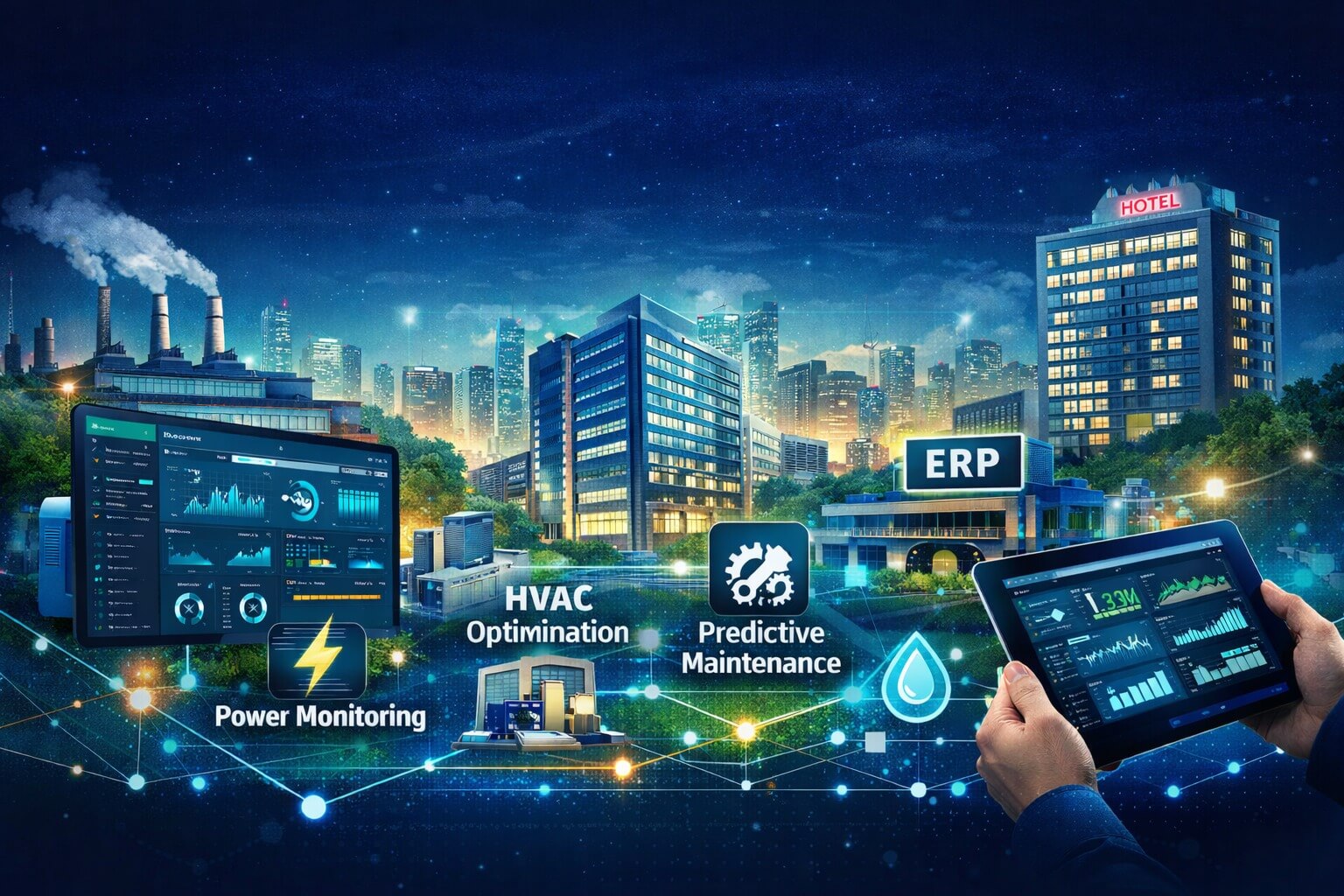
If "management" refers to the human-led process, then a Building Management System (BMS) is the technology that makes a building "smart." It is a centralized platform that integrates various facility controls such as HVAC, lighting, security, and power into a single digital interface.
The shift from manual oversight to a BMS is transformative:
- Manual Management: Relies on physical inspections and human memory, which often leads to errors or missed maintenance schedules.
- Using a BMS: Utilizes sensors and software to provide real-time data, allowing for automated adjustments and proactive problem-solving.
Key Benefits of a Building Management System
Implementing a BMS offers significant advantages for property owners and managers:
- Energy Efficiency: Automatically adjusts systems based on occupancy to eliminate energy waste.
- Operational Cost Savings: Reduces the need for manual labor and prevents costly emergency repairs.
- Occupant Comfort: Maintains consistent climate and lighting levels that adapt to the external environment. Enhanced Security: Provides a unified command center to monitor all security alerts and emergency protocols instantly.
Real-World Applications of Smart Building Technology
How does a BMS perform in practice?
- Office Buildings: Using automated monitoring to turn off lights and cooling in vacant zones after business hours.
- Apartment Complexes: Giving residents control over their personal climate and lighting, while managers monitor the building’s overall health from a single dashboard.
- Public Facilities: Utilizing real-time dashboards to manage high-traffic areas, ensuring ventilation is increased as crowds grow.
Modern Solutions and Tools
To achieve these results, property owners need a platform that is both powerful and user-friendly. Ferbos is a modern, integrated Building Management System solution, featuring advanced BMS technology designed for a wide variety of building types. By centralizing data and automation, Ferbos helps managers transition from a "reactive" to a "proactive" operational model.
Conclusion
In summary, both effective building management and the implementation of a BMS are essential for any property aiming to remain competitive, safe, and cost-effective. By adopting a smart building approach, you ensure that your operations are leaner, your costs are controlled, and your occupants remain satisfied.